New Doors · Chemong Park
Commercial Sectional Door Repair in Chemong Park
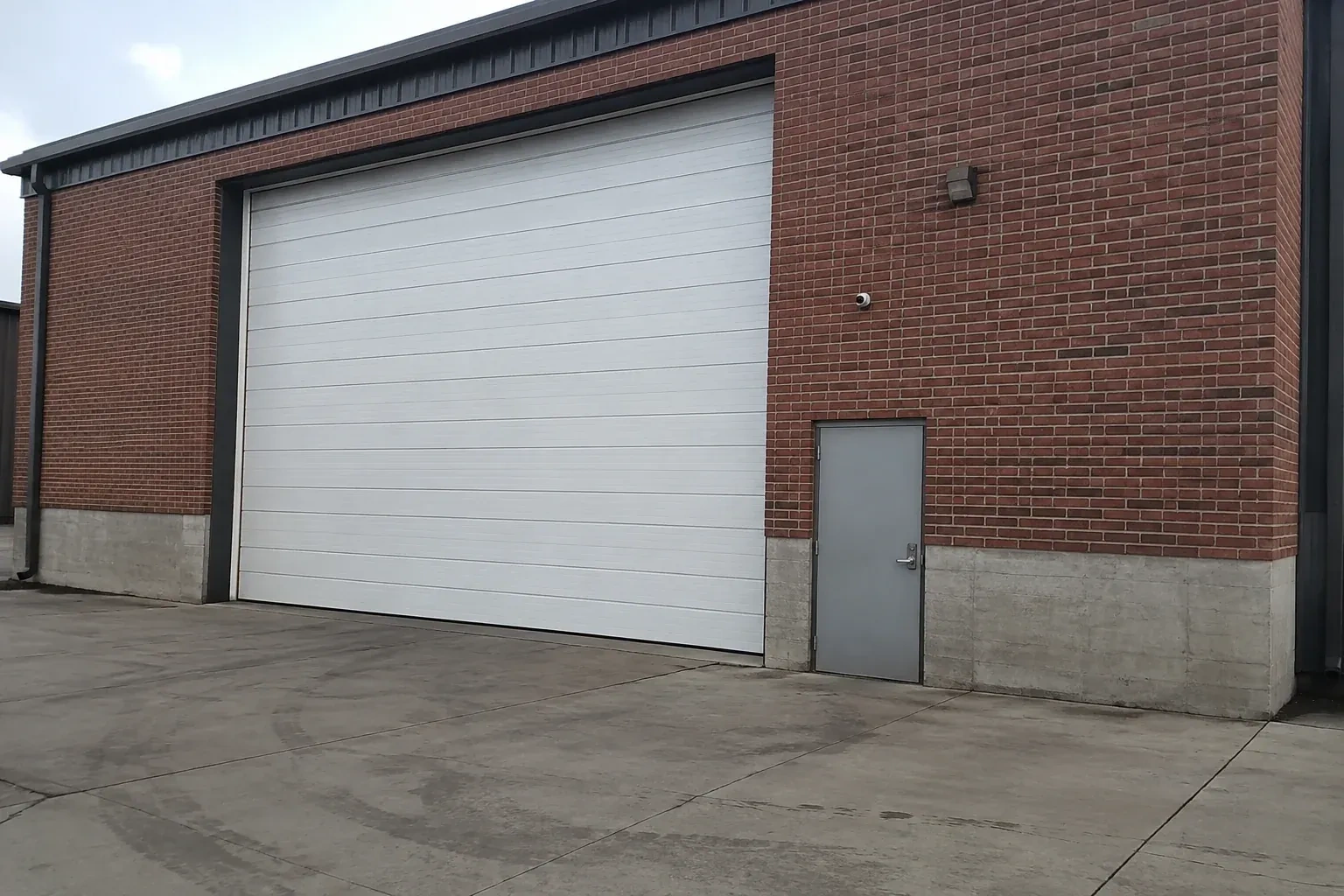
One busy service-bay door has become louder than the matching doors beside it. Its hinges show movement at the fasteners, several rollers have side play, and the operator vibrates through the supporting structure.
Commercial Sectional Door Repair
In plain words
Unusual sound is useful diagnostic information on a commercial sectional door. A knock at the track curve suggests different issues from a steady bearing growl, a scraping section or operator-chain chatter. The technician listens during a controlled cycle, then inspects the hardware at the point where the sound appears. Worn rollers, loose hinges, dry bearings, displaced track and drive components can each be dealt with directly. The completed repair finishes with lubrication where specified and repeated observation of the previously noisy part of travel.
How the visit goesOne busy service-bay door has become louder than the matching doors beside it. Its hinges show movement at the fasteners, several rollers have side play, and the operator vibrates through the supporting structure.
Chemong Park
How the visit goes
Following sound to its source
Noise is assessed by location, timing and character. A controlled cycle shows whether a knock occurs at a hinge, a roller entering the curved track, a bearing on the shaft or the operator drive. The technician watches for metal dust, polished rub marks, loose fasteners, roller play and track movement while listening. Door speed and vibration are compared through the vertical and horizontal portions of travel. This approach keeps several sounds from being treated as one problem and identifies the component producing each repeatable rattle, scrape or growl.
Re-establishing the weather seal
A damaged bottom seal is removed from its retainer, and the retainer is straightened or replaced when impact has distorted it. The new seal is sized for the door and floor condition, then fed evenly so it reaches both corners without stretching. Side and header weatherstrip are positioned for continuous contact while leaving the door free to move. If an uneven landing caused the original gap, cable level or track position is corrected first. The final fit is viewed from both sides with the door closed and checked again after cycling.
A clear opening and shared operating habits
Repair restores the equipment, while everyday habits help preserve it. Marked stand-off areas give vehicles room to clear the bottom section and vertical tracks. Loads are staged beyond the door path, control stations remain visible, and staff wait for the opening to reach its operating position before passing through. The threshold is kept free of packaging, ice and debris. When everyone knows which sound, movement or sensor indication to report, small changes are documented clearly and the door can be assessed with useful evidence rather than a vague description.
Commercial Sectional Door Repair
In the van
- Torsion springs
- Commercial door sections
- Numbered end hinges
- Bottom seal and retainer
- Vertical and horizontal track
What affects the quote
Same fees day, night or weekend
1Counterbalance components involved
Spring count, shaft arrangement, drum type, cable dimensions, bearings and bottom fixtures determine which tensioned parts must be controlled, replaced and reset together.
2Position of the stopped door
A door resting closed, hanging partly open or displaced from its tracks requires a different stabilization plan before repair work and component removal can begin.
3Number of affected openings
A single bay with one defined fault differs from a facility request covering several numbered doors, separate symptoms and individual operational tests.
Commercial Sectional Door Repair: questions
How does high-lift track change the repair?
High-lift doors keep travelling vertically above the opening before turning into horizontal track. That geometry changes cable length, drum type, track support and operator arrangement. Repairs therefore use the recorded lift dimensions and door weight, with cable tension observed through the transition and near the open position. Components from a standard-lift setup are not assumed to match.
Can the opening stay in use while work is underway?
The repair area needs controlled access while the door is supported, tensioned components are handled and operational tests are performed. Facilities can redirect pedestrians, forklifts and vehicles to another route and keep stored goods clear of the tracks and threshold. Once tools and supports are removed, the technician completes the agreed tests before returning the bay to normal traffic.
Why does the door reverse near the floor?
A reversal can start with a blocked or misaligned photoelectric sensor, a distorted sensing edge, resistance in the track, an incorrect close limit or a control-circuit issue. Inspection covers the clear opening, sensor alignment and wiring, bottom edge and mechanical travel. The source is corrected first, then the protective response is tested through several complete cycles.
Installation & Upgrades
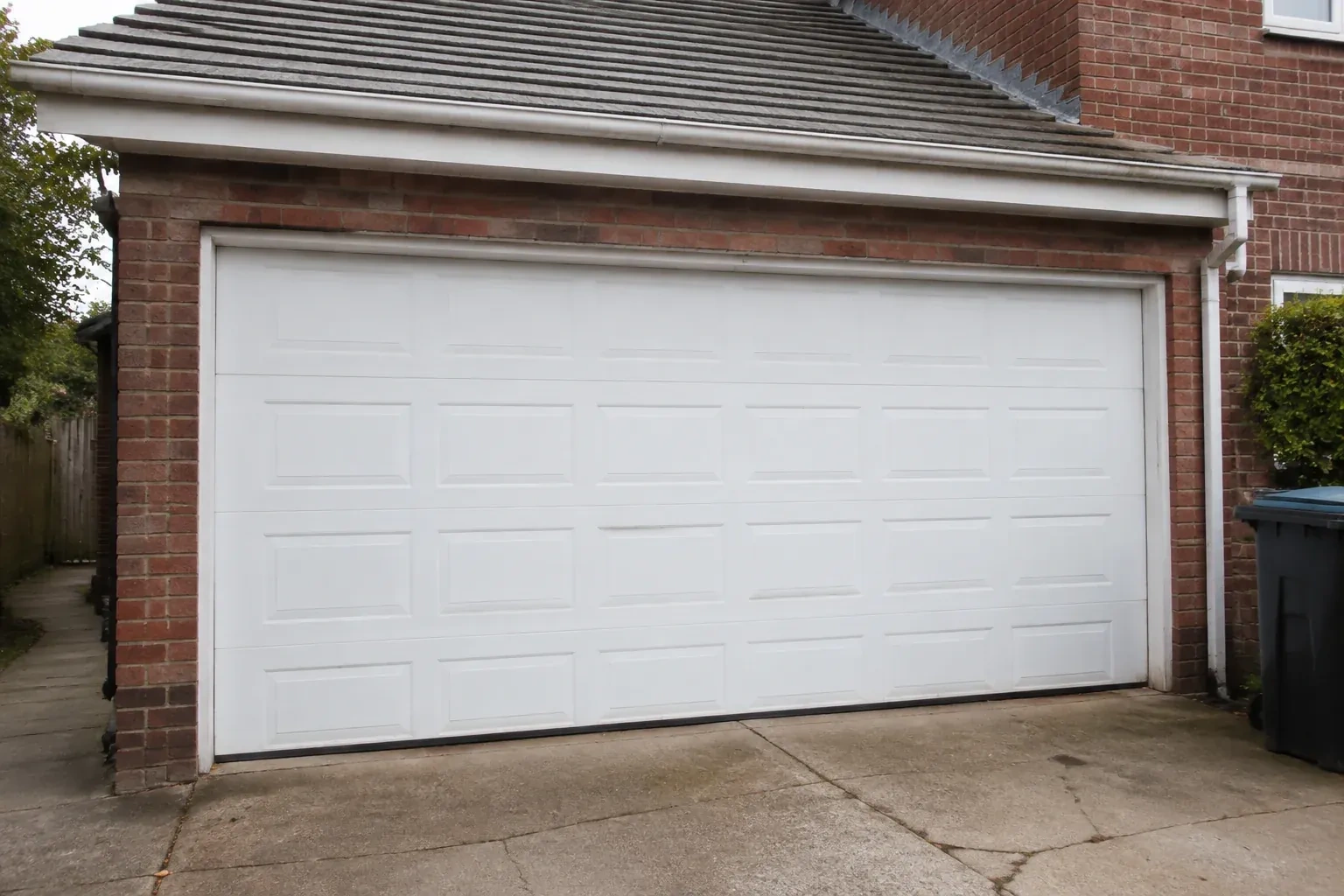
- Insulated Steel Garage Door InstallationSeveral sections are dented and the bottom edge has begun to rust.
- Wind-Rated Garage Door ReplacementThe current double door shudders when pressure changes outside, and daylight appears briefly along…
- Carriage-House Garage Door InstallationA front elevation update has brought new trim, lighting and a deeper colour palette, leaving the…
Commercial Sectional Door Repair near you
Every garage door service we offer in Chemong Park is described the same way: what you might have noticed, what the technician checks first, how the work is done and what you have afterwards. Start with the symptom you are seeing and the right service will be easy to find.