New Doors · Asphodel-Norwood
Commercial Rolling Door Repair in Asphodel-Norwood
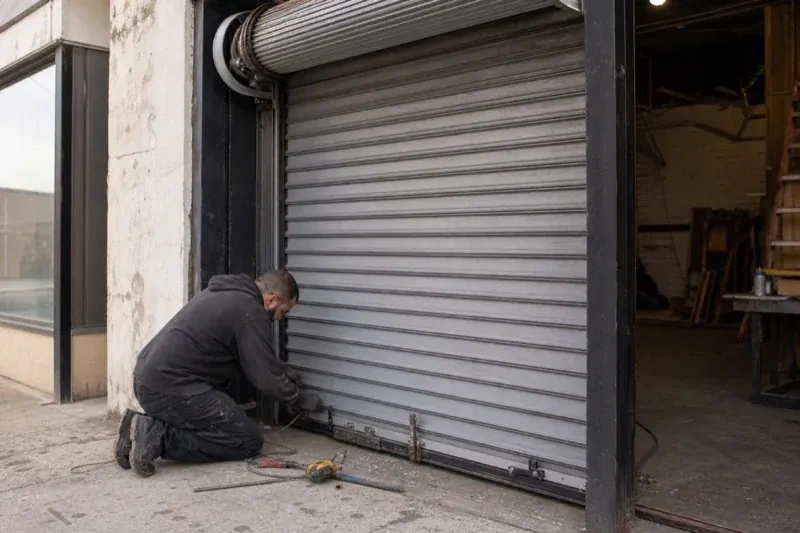
The rolling door starts upward, then one side rises ahead of the other. Its bottom bar sits on an angle, several slats scrape the guide, and the opening is no longer clear enough for normal shipping traffic.
Commercial Rolling Door Repair
In plain words
Powered rolling doors add controls and protective devices to the mechanical assembly. A closing complaint may begin at the control station, interlock, sensing edge or photoelectric sensor rather than inside the operator. The visit checks the curtain's free movement first, then follows control response, brake action, limit settings, manual disconnect or hoist and external protection suited to that system. Compatible repairs are completed with the operating instructions in hand. Testing covers normal commands, stopping points, manual operation and protective-device response so staff understand how the restored door is intended to behave.
How the visit goesThe labelled rolling fire door still moves from its control, yet the release assembly and closing path were disturbed during nearby work. The facility needs the repair and return-to-service record handled as a fire-door scope.
Asphodel-Norwood
How the visit goes
Measure guides and building attachment
Guides need consistent clearance and solid support to direct a rolling curtain. Their gap is compared from floor to head, both sides are checked for plumb and parallel, and the bellmouths and stops are examined where the curtain enters. Wall angles, bracket connections, anchors and the surrounding jamb are reviewed for looseness, corrosion or movement after an impact. A door can have straight slats and still bind when the opening has shifted around it. Measuring the support surfaces separates a door-component repair from structural or masonry work that needs its own responsible party.
Cycle, observe and document the result
The repaired door is returned to service through a measured test sequence. Initial movement is slow and closely observed at the guides, coil, bottom bar, brackets and drive. Several full cycles follow, using the normal control and the manual method where applicable, while the technician listens for repeatable noise and checks stopping positions. Locks, interlocks and protective devices are tested at their proper stage. The handover record identifies parts changed, settings established, functional checks completed and any connected condition assigned to another scope, giving facility staff a practical baseline for future inspections.
Predictable travel through the opening
After repair, staff have a door that follows a repeatable path from sill to hood. The bottom bar rises level, slats enter both guides without a recurring scrape, and the curtain forms an orderly coil rather than wandering toward one bracket. Open and closed limits match the usable doorway, and the normal control produces the expected start, stop and direction. The technician demonstrates a complete cycle and points out the ordinary sounds of the assembly so a future change is easier to recognise. This clear operating baseline is often the most useful outcome for a busy facility.
Commercial Rolling Door Repair
In the van
- Bearings and tension wheel
- Sensing edge and controls
- Curtain slats and endlocks
- Barrel and headplate brackets
- Counterbalance spring assembly
What affects the quote
Same fees day, night or weekend
1Curtain position when work begins
A curtain resting closed, stopped mid-travel or held near the hood presents a different securing and access plan. Its position affects how components can be reached and supported.
2Protective device scope
Photoelectric sensors, sensing edges, light arrays and vehicle-detection accessories serve defined roles. Quantity, mounting, wiring condition and operator requirements determine repair and test work.
3Door construction and size
A coiling slat curtain, rolling sheet door, insulated assembly or labelled fire door uses different components and procedures. Opening width and height also shape curtain weight, access and handling equipment.
Commercial Rolling Door Repair: questions
How should we prepare the loading area?
Move vehicles, pallets and loose packaging away from both faces of the opening, and identify an alternate route for staff and deliveries. Provide access to the control station, disconnect and any door records. A facility contact who understands normal operation and can authorise testing makes it easier to reproduce the complaint under controlled conditions.
Why does the door stop and reverse while closing?
A photoelectric beam may be blocked, a sensing edge may be active, the curtain may meet resistance, or the operator may be responding to a monitored-device or limit condition. The inspection keeps these possibilities separate. Sensor placement, alignment and response are checked alongside free mechanical travel and the operator's documented control logic.
Why is there a grinding or clattering sound near the hood?
Noise at the head can come from worn barrel bearings, loose brackets, misaligned drive chain or sprockets, shifting slats, an uneven coil or hardware contacting the hood. The pattern matters: once per revolution suggests something different from continuous guide scrape. Controlled observation locates the source before a specific part is selected.
Installation & Upgrades
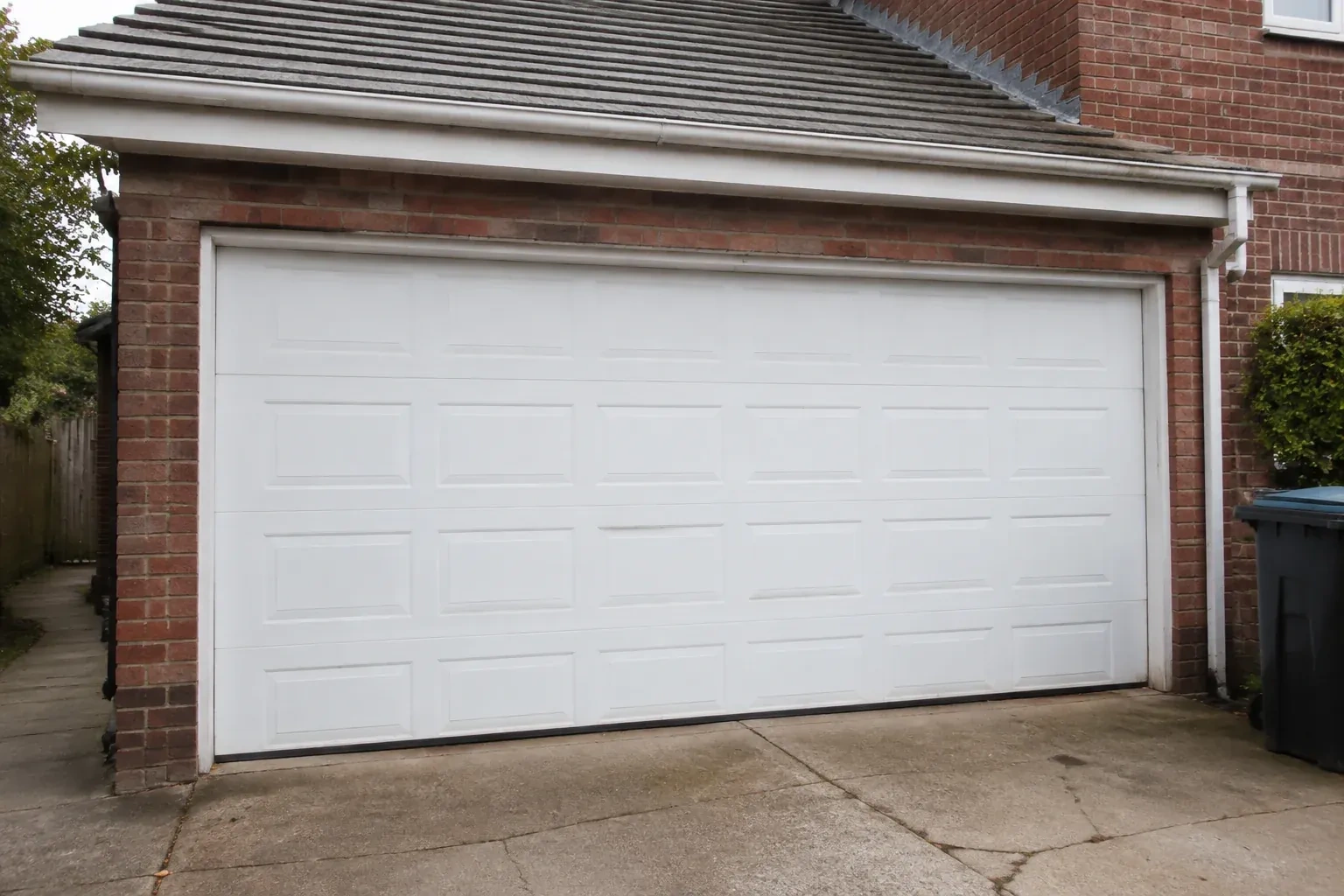
- Insulated Steel Garage Door InstallationSeveral sections are dented and the bottom edge has begun to rust.
- Wind-Rated Garage Door ReplacementThe current double door shudders when pressure changes outside, and daylight appears briefly along…
- Carriage-House Garage Door InstallationA front elevation update has brought new trim, lighting and a deeper colour palette, leaving the…
Commercial Rolling Door Repair near you
A door in Asphodel-Norwood that is lifting unevenly, dropping too far, screeching on the rails or refusing the remote is telling you which part is tired. Our services are grouped around those parts, springs and cables, tracks and rollers, openers and controls, so the fix is easy to identify.